What bread are you?
A fun personality test through the prism of bread that answers the question "What bread am I?" It's entertaining on one hand, yet reveals a deeper meaning about how you perceive the world.
![What Bread Are You Test [Your Bread Personality Diagram]](/images/tests/what_bread/all_bread.webp)
📖Meet the results
Learn more about each possible result — temperament, traits, and unique characteristics.
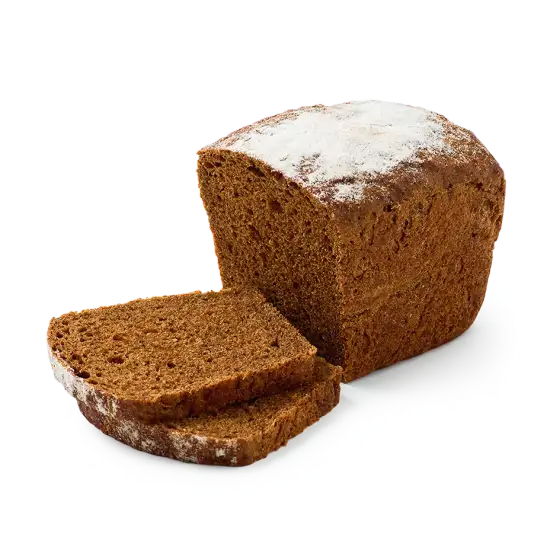
🍞 Rye Bread
Rye bread is one of the oldest types of bread in the world, popular in Northern and Eastern Europe. It's made from rye flour and features a dense texture, rich flavor with a slight tang, and incredible nutritional value. Rye bread is rich in fiber, B vitamins, and minerals.
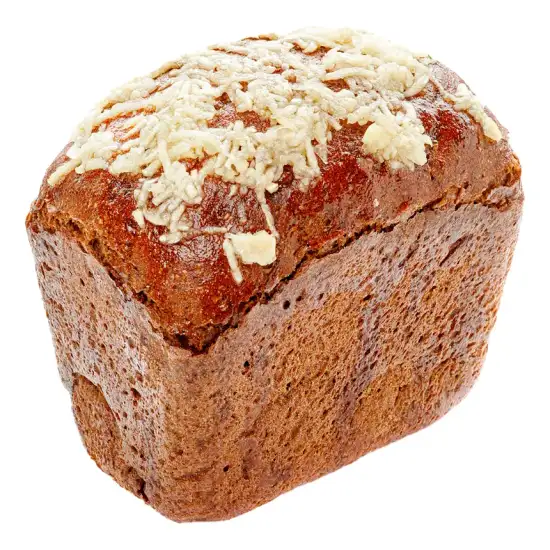
🍞 Borodino Bread
Borodino bread is a famous Russian malt bread made from rye flour with coriander, malt, and molasses. Legend has it that it was created in honor of the heroes of the Battle of Borodino in 1812. It features a complex sweet-spicy flavor and dark color. One of the symbols of Russian culinary tradition.
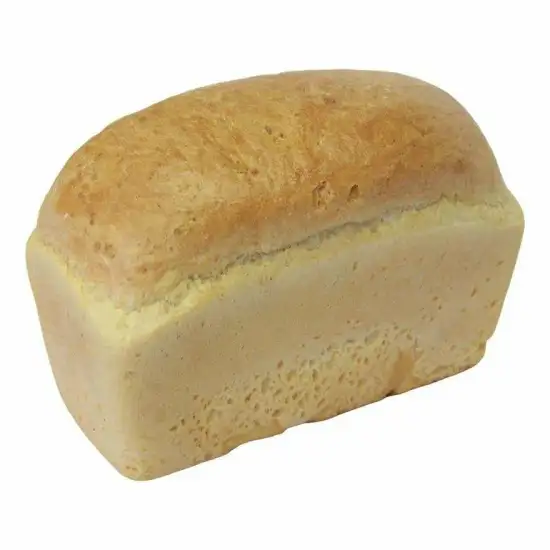
🍞 Wheat Bread
Wheat bread is the most popular and versatile type of bread in the world. Baked from wheat flour, it features a soft texture, gentle flavor, and golden crust. It goes with any dish and is a dietary staple in countless cultures. Symbolizes generosity, home warmth, and hospitality.

🍞 Naan
Naan is a traditional leavened flatbread popular in India, Pakistan, Iran, and Central Asia. Baked in a tandoor - a special clay oven. Its elongated shape, soft texture, and light smoky aroma make naan the perfect companion to curry and other Asian dishes.
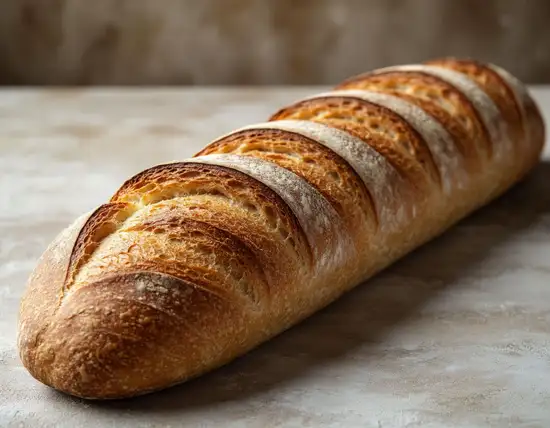
🥖 Baguette
The baguette is a long, thin bread that has become a symbol of France and French culture. The recipe is extremely simple: flour, water, yeast, salt, but the result is a culinary masterpiece. Crispy golden crust and airy crumb. In 2022, the art of baguette-making was inscribed on the UNESCO Intangible Cultural Heritage List.
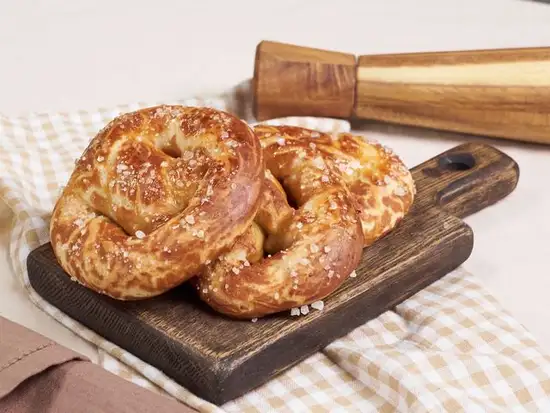
🥨 Pretzel
The pretzel (brezel) is a traditional German bread product with the characteristic 'hands in prayer' shape. It originated in Southern German monasteries over 1,400 years ago. Prepared using a lye solution, which gives it a golden-brown color and unique flavor. A symbol of Oktoberfest and German culture.
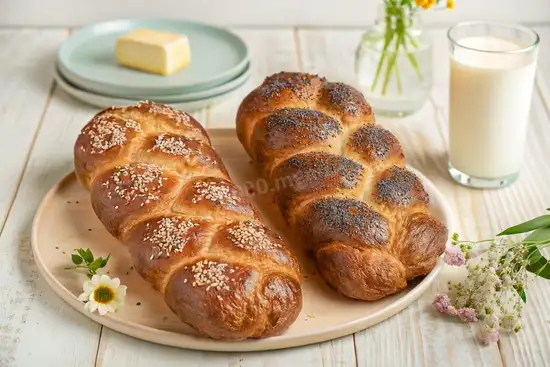
🍞 Challah
Challah is a traditional Jewish festive braided bread, made from enriched egg dough. Braiding from three, four, or six strands symbolizes spiritual values. Challah is inseparably connected with Shabbat and Jewish holidays. Features a tender, slightly sweet flavor and beautiful golden crust.
🔍What you'll learn
Which bread type matches your personality
What character traits you share with this bread
Interesting facts about your bread twin
Recommendations for unlocking your strengths
Your public bread profile for social media
💡About this test
The test is based on Carl Jung's archetypal psychology (1919) and temperament theory. Each bread type is associated with a specific set of personality traits characteristic of its cultural context.
📊Key facts
🗓️History & development
First bread: flatbreads from ground grain in Ancient Egypt
Birth of the baguette: French bakers create a long white bread
Borodinsky bread recipe patented in Russia
Bread recognized by UNESCO as intangible cultural heritage
🎮How to take it
Answer 15 questions about your character, habits, and preferences. Choose the option that describes you best. Don't overthink it, your first answer is usually the most accurate.
🎓About the methodology
Each type of bread has a unique history, preparation method, and cultural significance that metaphorically reflects certain personality types. Rye bread is associated with reliability and tradition, baguette with refinement and style, and challah with celebration and generosity.
📚Scientific references
❓Frequently asked questions
What does the bread personality test show?
The test analyzes your temperament, sociability level, creativity, and other character traits, then matches them with seven bread types from different world cultures. The result reveals which bread you resemble most.
Is this a scientific test?
The test is made for entertainment, but uses real psychological concepts: Jungian archetypes and temperament theory. The bread metaphor offers a playful way to explore your personality traits.
How many results are there?
There are 7 possible results: rye bread, borodinsky, wheat bread, naan, baguette, pretzel, and challah. Each bread type reflects a unique set of personality traits.
Can I retake the test?
Of course! You can take the test as many times as you like. Sometimes your result may change depending on your current mood and state of mind.
How long does the test take?
The test has 15 questions and takes about 5 minutes. Answer intuitively without overthinking each question.
Ready to start?
Quick, fun, and free! Find out your result right now.