How Yandere Are You? Yandere Test and Dere Type Quiz
Anime has a word for love turned up to the maximum: yandere. Most of us live somewhere between the cool kuudere who never texts first and the yandere who already has a folder of your photos. Twenty everyday situations show how far your heart goes, from “do what makes you happy” to “nobody else gets you”.
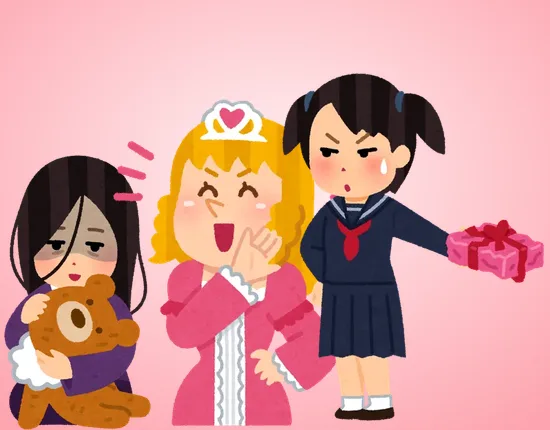
📖Meet the results
Learn more about each possible result — temperament, traits, and unique characteristics.
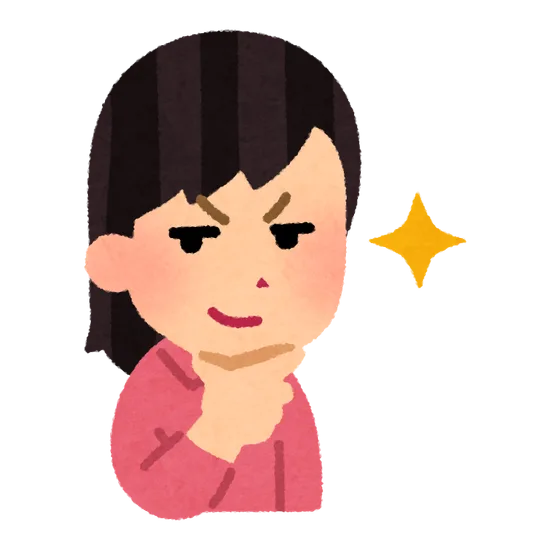
Kuudere
The name joins the English word “cool” with dere. A kuudere in anime speaks in a flat voice, keeps a straight face and seems distant, yet slowly shows deep care for one person. Rei Ayanami from Neon Genesis Evangelion and Yuki Nagato from The Melancholy of Haruhi Suzumiya are classic examples.

Dandere
The name comes from the Japanese danmari, “silence”, plus dere. A dandere barely speaks and blushes easily, but around the one person they trust they start chatting and joking. Hinata Hyuga from Naruto and Shoko Komi from Komi Can’t Communicate are often named as examples.

Tsundere
The word joins tsun-tsun, “prickly and aloof”, with dere-dere, “lovey-dovey”. A tsundere is cold or bossy toward the person they like and melts when nobody is looking. Taiga Aisaka from Toradora!, nicknamed the Palmtop Tiger, and Asuka Langley Soryu from Neon Genesis Evangelion are among the best-known tsundere.

Deredere
Deredere means “lovey-dovey”, and it is the word that gave the whole dere family its ending. A deredere in anime is cheerful and openly in love, and is rarely jealous or possessive. Ochaco Uraraka from My Hero Academia and Marin Kitagawa from My Dress-Up Darling are often named as examples.

Himedere
The name comes from hime, “princess”, plus dere, and the prince version is sometimes called oujidere. A himedere acts like royalty, whether or not there is a real crown, and wants the loved one to treat them that way. Erina Nakiri from Food Wars! and Tamaki Suoh from Ouran High School Host Club are often named as examples.

Undere
The name comes from un (うん), the casual Japanese “yeah”, plus dere. An undere says yes to everything the loved one says or asks and happily drops their own plans to match. It is the type that goes along with anything, as long as the loved one smiles.
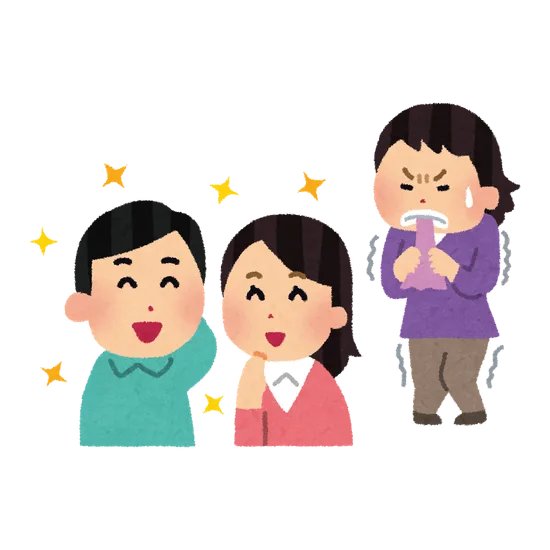
Secret Yandere
Japanese fans call this a kakure yandere (隠れヤンデレ), a “hidden yandere”. Many yandere characters start out as the sweetest person in the story, and fans love the moment the smile shows its other side. Monika from Doki Doki Literature Club! first appears as the confident club president who is only there to help the player win someone else’s heart.
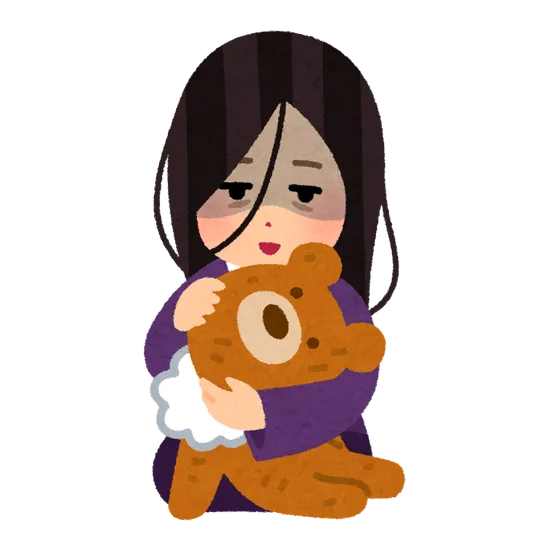
Yandere
The word joins yanderu (病んでる), a casual Japanese way of saying someone is “not okay”, with deredere. A yandere looks sweet but loves so intensely that the feeling turns possessive and jealous. Yuno Gasai from Mirai Nikki (Future Diary) is the character fans credit with making the archetype famous.
🔍What you'll learn
Which of the 8 dere types matches the way you love
Your yandere level in percent, from 0 to 100%
Where you stand between calm freedom and “mine, all mine”
Which anime characters share your dere type
The strong side of your type in a relationship
Small habits that keep your love fun for both of you
💡About this test
The quiz is built on John Alan Lee’s styles of loving, which Clyde and Susan Hendrick turned into the Love Attitudes Scale, and on Cindy Hazan and Phillip Shaver’s work on attachment in adult love. Eight anime dere types stand on one axis, from calm love that leaves the other person free to love at full volume, where jealousy and “mine” take over.
📊Key facts
🗓️History & development
0verflow releases the visual novel School Days for Windows on April 28; together with the anime Shuffle!, which premieres in July, it makes the word yandere known among fans in Japan
Sakae Esuno’s manga Mirai Nikki (Future Diary) starts in Kadokawa Shoten’s Shōnen Ace magazine on January 26; it runs until December 2010 and fills 12 volumes
The School Days anime by studio TNK premieres on TV Kanagawa on July 3; when the final episode is pulled from the broadcast in September, a replacement shot of a ferry turns “Nice boat.” into an internet meme in Japan
Studio Asread’s Mirai Nikki anime premieres on October 10 and runs for 26 episodes; fans credit Yuno Gasai with making the yandere archetype famous
Team Salvato releases Doki Doki Literature Club! as a free visual novel on September 22; club president Monika, who falls for the player instead of the hero, gives the internet the meme “Just Monika”
🎮How to take it
Answer 20 questions about crushes, dates and jealousy. Pick what you would really do, not what sounds cutest: the result is your dere type plus your yandere level in percent.
🎓About the methodology
In 1977 John Alan Lee published a typology of six styles of loving. Two of them matter most for this quiz. Storge is calm love that grows out of friendship, and mania is intense love full of worry, jealousy and the need to hear “I love you” again and again. In 1986 Clyde and Susan Hendrick built the Love Attitudes Scale and showed that these styles can be measured with a questionnaire. A year later Cindy Hazan and Phillip Shaver described romantic love as attachment: some people trust easily, while others need constant proof that they are loved. Jealousy has its own line of research, and in 1992 David Buss and his colleagues studied which kind of betrayal upsets people more and how strongly the body reacts to it. Anime archetypes squeeze these ideas into one picture. The kuudere stays calm and gives space, the tsundere hides feelings behind sharp words, the deredere loves out loud, and the yandere wants every bit of the other person’s attention. Each of the 20 questions offers four answers, from restraint to “I’m not giving you to anyone”. The total from 20 to 80 points falls into the range of one of 8 dere types, and the same total becomes your yandere level from 0 to 100%. People recognize themselves in a character more easily than in a dry description (J. Cohen, 2001), so the result speaks the language of anime. The quiz is made for fun and does not replace advice from a specialist.
📚Scientific references
❓Frequently asked questions
What does yandere mean?
Yandere is an anime and manga archetype: a character whose love runs at the maximum, with all attention on one person and plenty of jealousy. The word joins two Japanese words: yanderu (病んでる), a casual way of saying someone is “not okay”, and deredere (デレデレ), “lovey-dovey”. Fans credit Yuno Gasai from Mirai Nikki (Future Diary) with making the archetype famous. In this quiz the yandere side is played for laughs: photo folders and jealousy of the cat, nothing scary.
What are dere types, and which ones are in the quiz?
Dere types are anime character archetypes named after the way they show love. The ending comes from deredere, so tsundere is tsun-tsun (prickly) plus dere, kuudere is “cool” plus dere, and so on. The quiz has 8 results: Kuudere, Dandere, Tsundere, Deredere, Himedere, Undere, Secret Yandere and Yandere. They go in this order from the calmest love to love at full volume.
How is my yandere level calculated?
Every answer gives from 1 to 4 points: the first option is the calmest, the fourth is the most “I’m not giving you to anyone”. The 20 answers add up to a total between 20 and 80. The total picks your dere type and also turns into a percentage, where 20 points is 0% and 80 points is 100%. A Kuudere always stays under 25%, and a full Yandere starts above 70%.
Is this an official yandere test?
No. It is a fan-made quiz based on archetypes from anime and manga culture. It is not affiliated with any studio, publisher or author of the works it mentions, and character names belong to their rights holders.
How long does it take?
About five minutes: 20 questions with four options each. The quiz is free, needs no sign-up, and your dere type and yandere level appear right after the last answer.
How accurate is it, and can I take it again?
The quiz is made for fun, so treat the result as a playful portrait of how you love right now. Answers depend on your mood and on the person you have in mind, so you can retake it as often as you like and the result may change. The first honest attempt is usually the closest one. For a serious look at the same topic, the site also has a jealousy test and an attachment style test.
Ready to start?
Quick, fun, and free! Find out your result right now.