What Tree Are You? Find Your Inner Tree
Ever wondered what tree are you deep inside, once the noise of daily life goes quiet? This tree personality quiz reads how you grow, bend in a storm, and stand your ground, then matches you with one of 20 living archetypes. Answer on instinct and meet the tree whose spirit mirrors your own.
![What Tree Are You Test [with diagram]](/images/tests/who-tree/all_tree.webp)
📖Meet the results
Learn more about each possible result — temperament, traits, and unique characteristics.

Willow
The weeping willow grows fast beside rivers and ponds, its long branches trailing to the water. Flexible and water loving, it has long symbolized emotion, intuition, and gentle resilience.
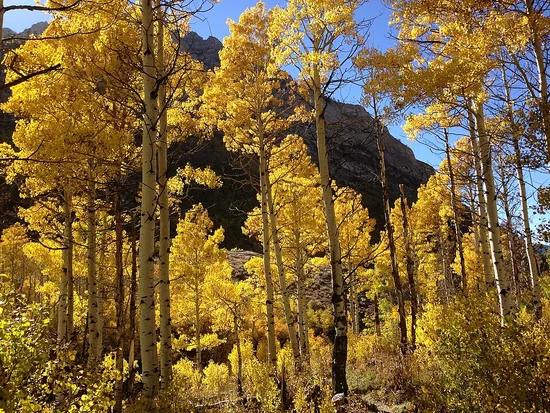
Aspen
The aspen is famous for leaves that quiver in the lightest wind and turn brilliant gold in autumn. A whole grove often shares one root system, making it a symbol of connection, sensitivity, and quiet strength.
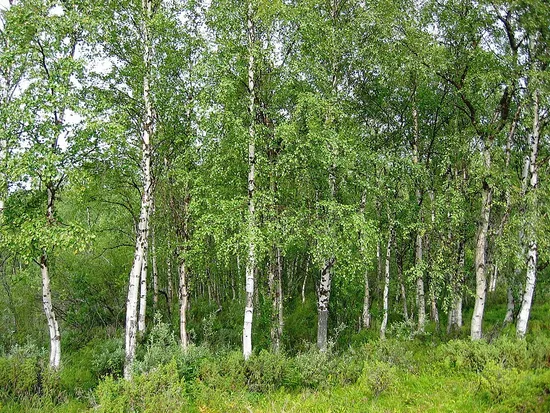
Birch
With its slender white bark, the birch is one of the first trees to colonize open land after a fire or clearing. Across northern cultures it stands for new beginnings, purity, and youthful energy.
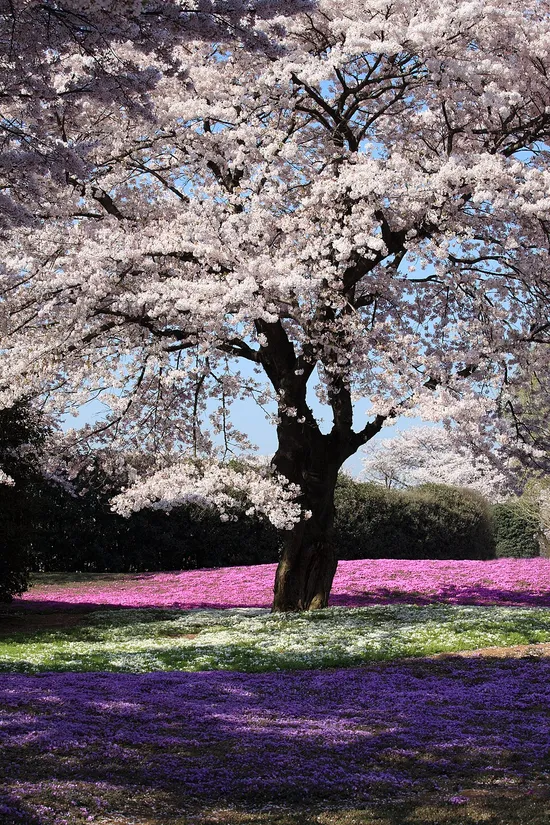
Sakura
The cherry blossom bursts into clouds of pink for only a week or two each spring, then drifts away like snow. In Japan it is the emblem of beauty, renewal, and the tender, passing nature of life.
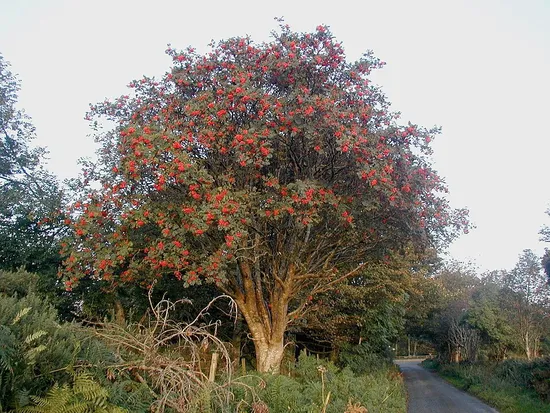
Rowan
The rowan, or mountain ash, thrives in cold, rugged places and glows with clusters of red berries loved by birds. In folklore across Europe it was planted as a tree of protection and good fortune.
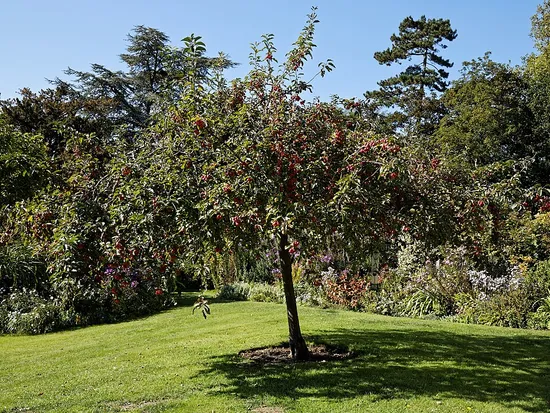
Apple Tree
The apple tree blossoms in spring and offers fruit in autumn, a cycle that made it a worldwide symbol of abundance, love, and knowledge. Generous and homey, it has been cultivated and cherished for thousands of years.
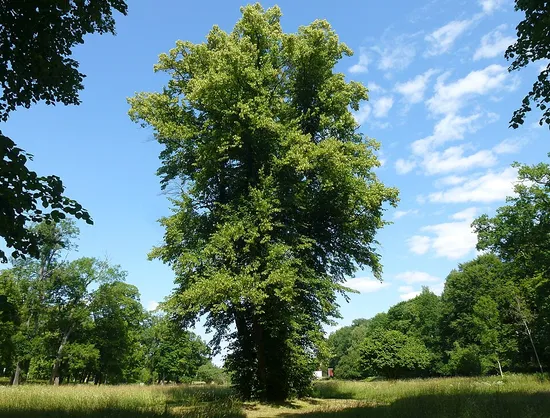
Linden
The linden, or lime tree, grows a broad, shady crown and fragrant summer flowers beloved by bees and tea makers. Long planted in town squares, it stands for community, friendship, and peace.
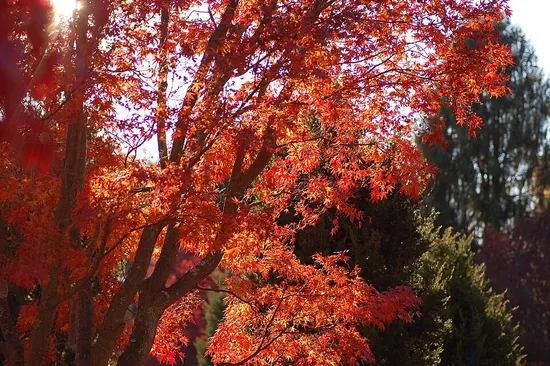
Maple
The maple is loved for the fiery reds and golds of its autumn leaves and for the sweet sap that becomes syrup. It has become a symbol of creativity, balance, and generous beauty.

Poplar
The Lombardy poplar grows tall and slender, incredibly fast, its leaves rustling loudly in the wind. Often planted in long rows as windbreaks, it has come to stand for energy, aspiration, and community.
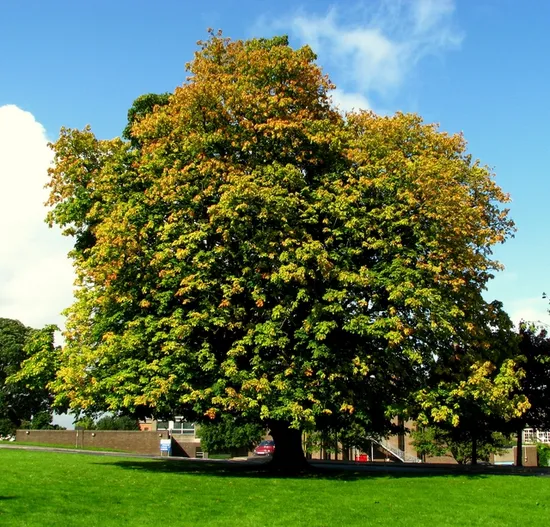
Chestnut
The horse chestnut spreads a wide, generous crown and blooms with upright candles of white flowers each spring, followed by shiny conkers. Long planted in parks and avenues, it symbolizes honesty, generosity, and strength.
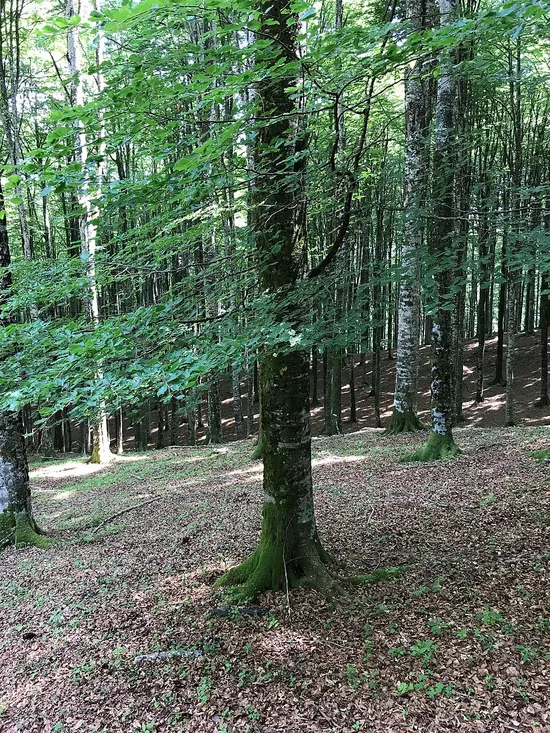
Beech
The beech grows a tall, smooth grey trunk and a dense canopy that shades out almost everything below, creating quiet, cathedral-like forests. It is a symbol of knowledge, patience, and grounded wisdom.
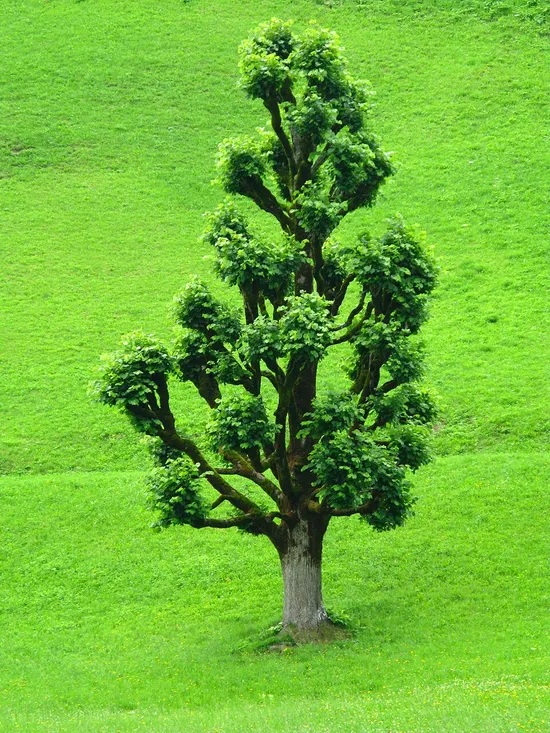
Ash
The ash grows tall and straight with tough, flexible wood once prized for spears and tool handles. In Norse mythology the world tree Yggdrasil was an ash, making it a lasting symbol of connection, ambition, and growth.

Palm
The coconut palm thrives on tropical coasts, bending far in hurricanes and springing back thanks to its flexible trunk. It has become a worldwide symbol of freedom, resilience, and easy, sunlit living.
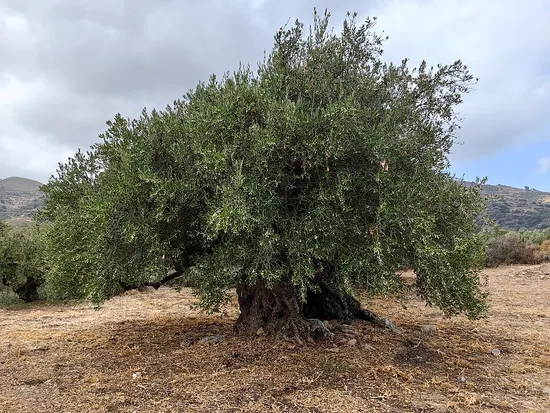
Olive
The olive tree grows slowly on dry Mediterranean hills and can survive for over a thousand years, its trunk twisting with age. Its branch has been a symbol of peace, wisdom, and endurance since antiquity.
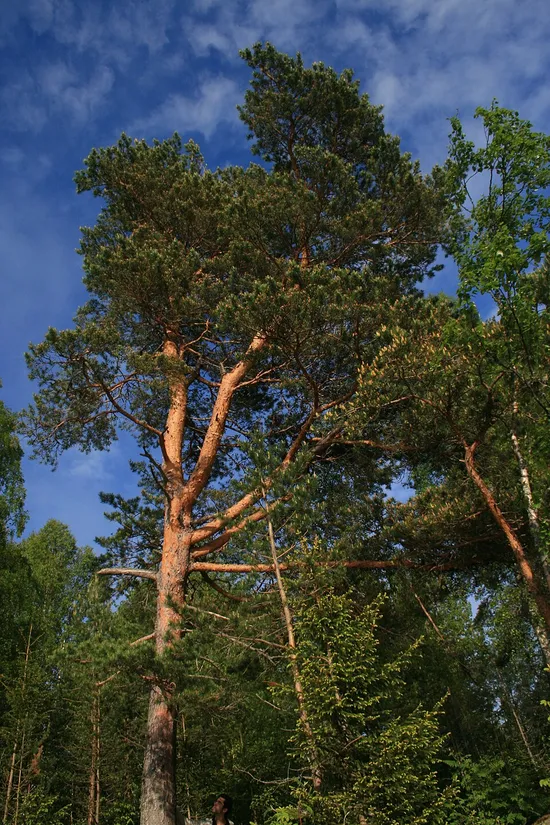
Pine
The Scots pine survives on poor, rocky soils and in bitter cold, holding its needles year-round with a distinctive orange upper bark. It is a symbol of resilience, clarity, and independent strength.
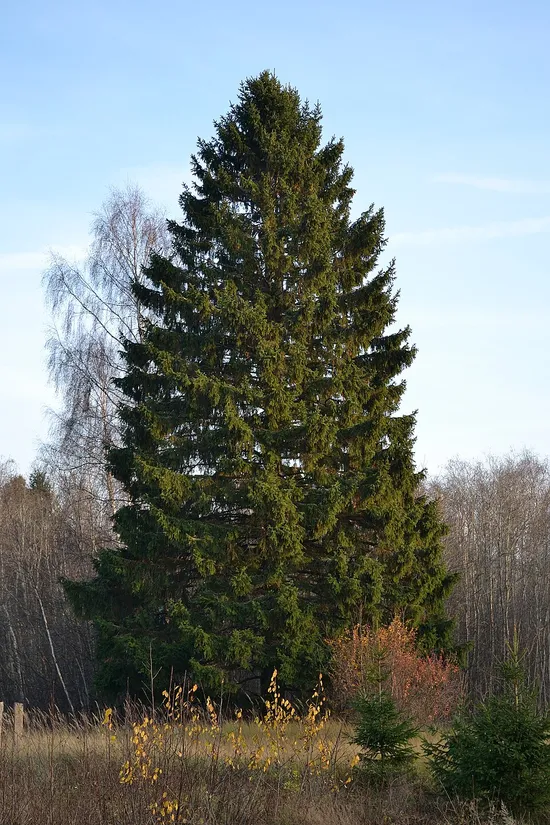
Spruce
The Norway spruce keeps a tidy conical shape and stays green all winter, which is why it became the classic Christmas tree. It stands for loyalty, constancy, and warm dependability.
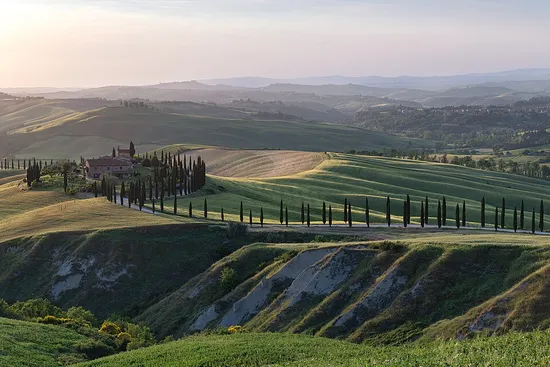
Cypress
The Mediterranean cypress grows tall and narrow like a green flame, a familiar sight along Tuscan roads and old cemeteries. Long-lived and evergreen, it symbolizes dignity, steadfastness, and quiet, lasting memory.
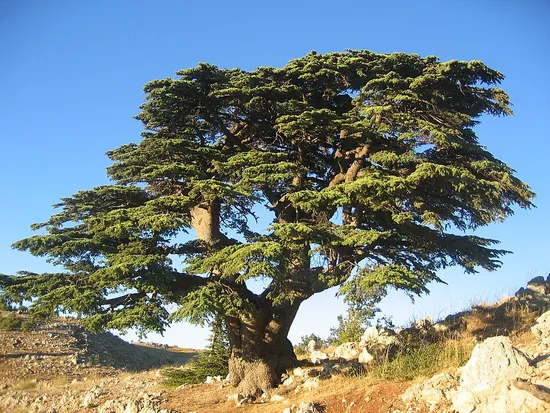
Cedar
The cedar of Lebanon grows into a vast, spreading giant that can live for centuries, its fragrant wood prized since ancient times. It has long been a symbol of nobility, wisdom, strength, and incorruptible endurance.
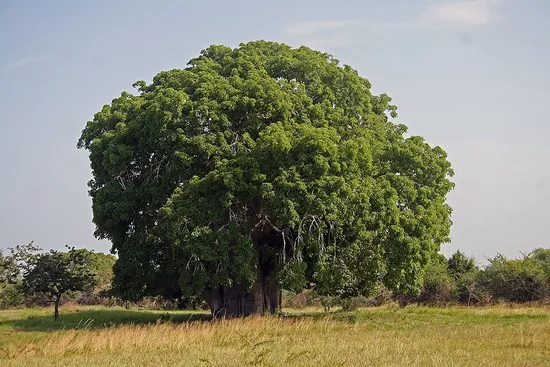
Baobab
The baobab stores thousands of liters of water in its enormous trunk to survive harsh dry seasons and can live for well over a thousand years. Called the tree of life in Africa, it stands for endurance, resourcefulness, and originality.
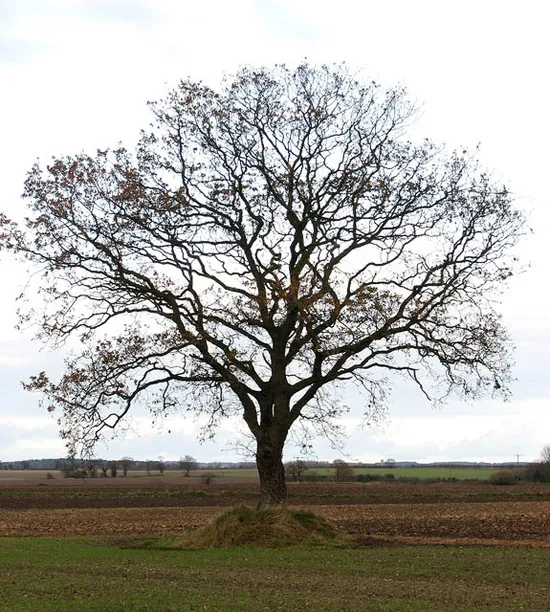
Oak
The oak grows slowly into a massive, long-lived tree with deep roots and tough timber that has built ships and halls for centuries. Across many cultures it is the ultimate symbol of strength, endurance, and protection.
🔍What you'll learn
Which of 20 trees best matches your personality
How you respond to storms, pressure, and sudden change
The natural strengths and gifts you bring to others
The quiet roots behind how you love and support people
A colorful archetype you can share with your friends
Small ways to help your inner tree grow even stronger
💡About this test
Trees have stood for human character for thousands of years, from the Celtic tree calendar and the Norse world tree to the Japanese language of plants. Psychology echoes this old intuition: in Karl Koch's Tree Drawing Test and the House-Tree-Person technique, the tree a person pictures hints at traits like resilience, openness, and emotional roots. This quiz turns that idea into a friendly 20-tree map of personality.
📊Key facts
🗓️History & development
Carl Jung describes the tree as a symbol of the Self and of inner growth
Karl Koch introduces the Tree Drawing Test as a tool for reading personality
Edward O. Wilson popularizes biophilia, our inborn bond with living nature
Research on forest bathing confirms that trees calm the body and mind
🎮How to take it
Answer 20 short questions and pick the option that feels most like you. There are no right or wrong answers, so trust your first instinct and let your inner tree reveal itself.
🎓About the methodology
This what tree are you test blends archetypal psychology with the projective symbolism of trees. Carl Jung called the tree an image of the Self and of inner growth, while Karl Koch (1949) and John Buck (1948) showed that the way we imagine a tree can mirror temperament and emotional balance. Around the world people still read character through trees: forest bathing (shinrin-yoku) in Japan, the Celtic Ogham signs, and Edward O. Wilson's biophilia theory, which argues we are wired to bond with living things. Your 20 answers describe how you meet storms, growth, and change, then place you on a spectrum from the gentle willow to the mighty oak. The result is meant for fun and self-reflection, not a clinical diagnosis.
❓Frequently asked questions
How does the what tree are you test work?
You answer 20 short questions about how you grow, react to storms, and treat the people around you. Your answers place you on a spectrum of 20 tree archetypes, from the gentle willow to the strong oak, and reveal the tree that matches your character.
How long does it take?
About 5 minutes. There are 20 questions, each with four simple options, so you can finish it on a short break.
Which trees can I get as a result?
There are 20 results: willow, aspen, birch, sakura, rowan, apple, linden, maple, poplar, chestnut, beech, ash, palm, olive, pine, spruce, cypress, cedar, baobab, and oak. Each comes with its own portrait, meaning, and advice.
Is this a real psychological test?
It draws on real ideas, such as Karl Koch's Tree Drawing Test and Jung's writing on the tree as a symbol of the Self, yet it is built for fun and gentle self-reflection rather than clinical use.
Can I take it more than once?
Of course. Answer honestly the first time, then retake it whenever your mood or season of life shifts to see whether a different tree starts to call you.
Ready to start?
Quick, fun, and free! Find out your result right now.