Are You Seme or Uke? BL Personality Quiz with 10 Types
In BL manga and dramas the seme leads the relationship and the uke is the one being led, and almost every fan has a favorite side. Plenty of people also suspect which role would be theirs. Confessions, first dates, one umbrella in the rain and the question of who pays the bill show where you stand between uke and seme.
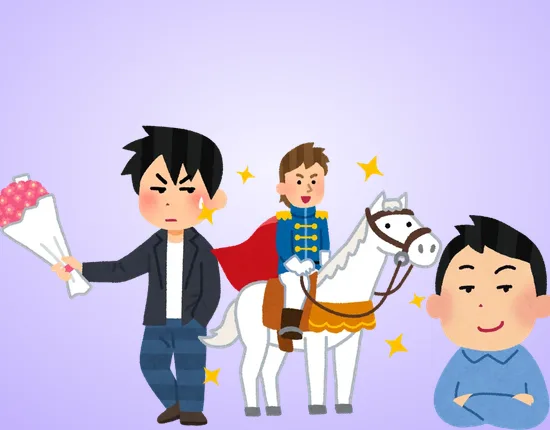
📖Meet the results
Learn more about each possible result — temperament, traits, and unique characteristics.

Devoted Uke
In BL manga and dramas the kenage uke (健気受け) is the earnest one who keeps believing in his love when it looks hopeless. He cooks, waits, cheers from the sidelines and forgives a lot, and readers root for him to finally be happy. The word kenage describes someone who stays brave and devoted through hardship.
Innocent Uke
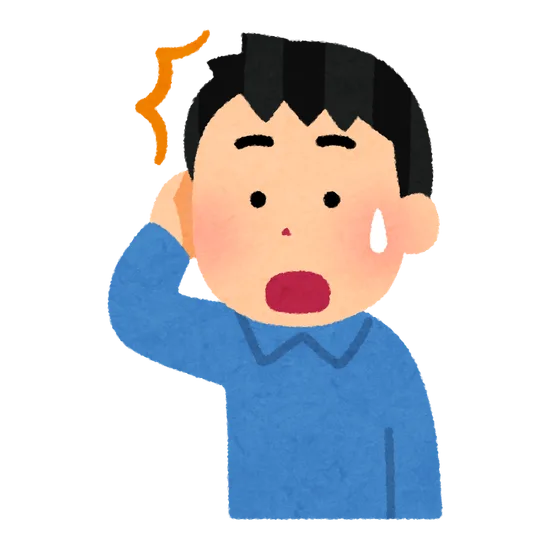
The tennen uke (天然受け) is the dreamy, sincere type. Tennen literally means “natural,” and in fan slang it describes someone who is charmingly clueless. In BL stories he misses every hint, says embarrassing things with a straight face and drives his more experienced partner to despair in the sweetest way, while everyone notices the romance before he does.
Tsundere Uke
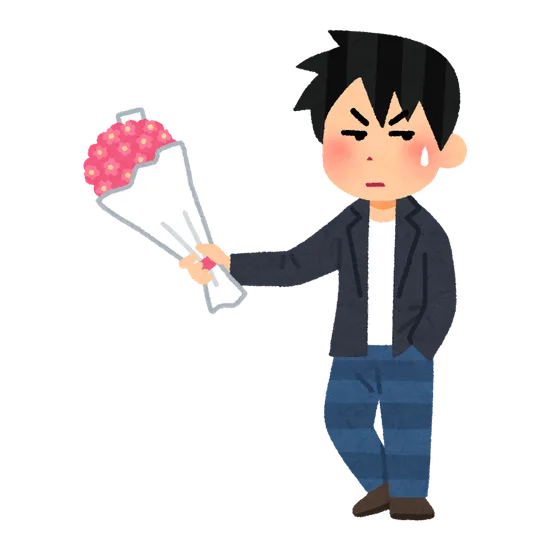
The tsundere uke is one of the most loved types in BL: tsun stands for prickly and dere for sweet and affectionate. He snaps at the seme and insists he doesn’t care, while turning red to the tips of his ears. Fans live for the moment when the act finally cracks.
Teasing Uke
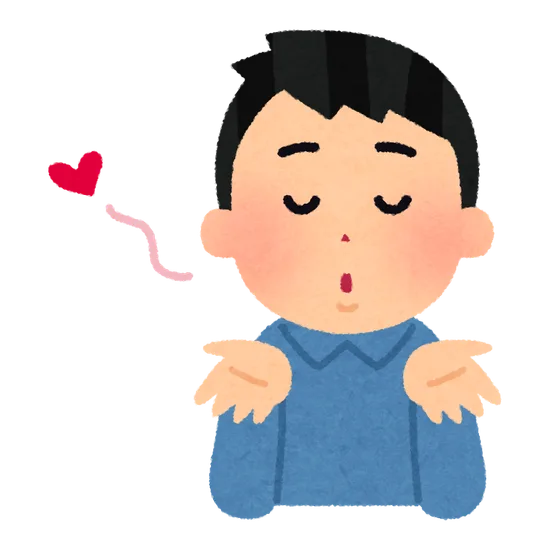
The sasoi uke (誘い受け) gets the seme to act; the name means an uke who invites the first move. In BL stories he drops hints and teases with a glance until the other one finally takes the step. Online, fans also use the term for anyone who fishes for a reaction, like posting “nobody will like this anyway” in hopes of compliments.
Queen Uke
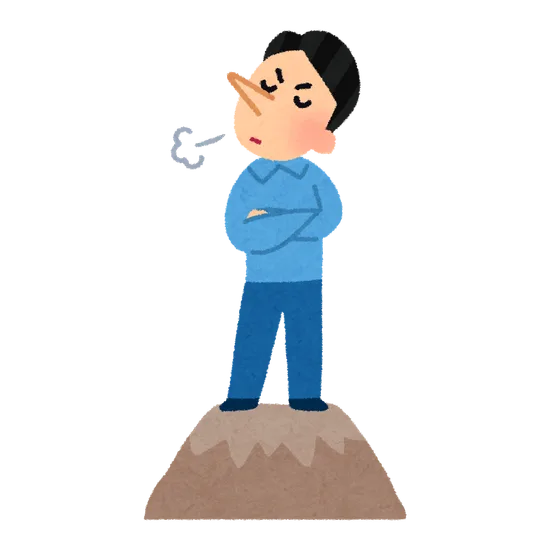
The joousama uke (女王様受け, “queen uke”) is proud, sharp-tongued and used to getting his way. In BL stories he orders the seme around and pretends not to be impressed, though he clearly chose this partner himself. Fans love the contrast between his haughty manner and his place as the uke of the pair.

Switch
Riba (リバ) is short for “reversible” (リバーシブル) and describes a pair where the seme and uke roles are not fixed. In BL stories such couples trade places from day to day, and whoever is stronger at the moment takes care of the other. Many fans see riba as the most equal kind of partnership.
Wimpy Seme
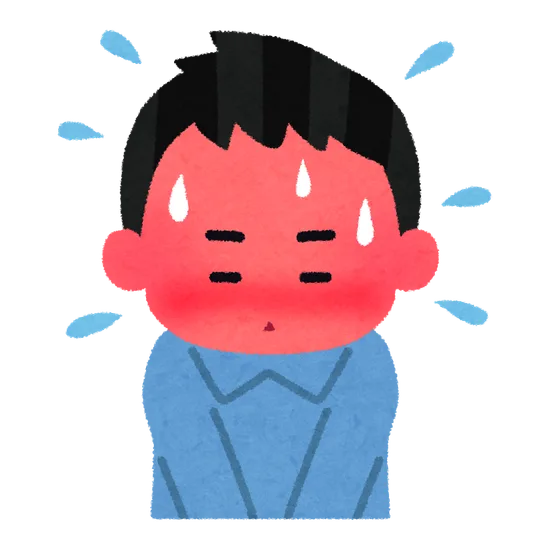
The hetare seme (ヘタレ攻め, “wimpy seme”) is the seme who loses his nerve. In BL stories he can be capable and popular, yet in front of the one he loves he turns into a stammering, blushing mess. Fans adore the gap between how he looks and how he acts, and the scene where he finally gathers his courage is a genre classic.
Puppy Seme
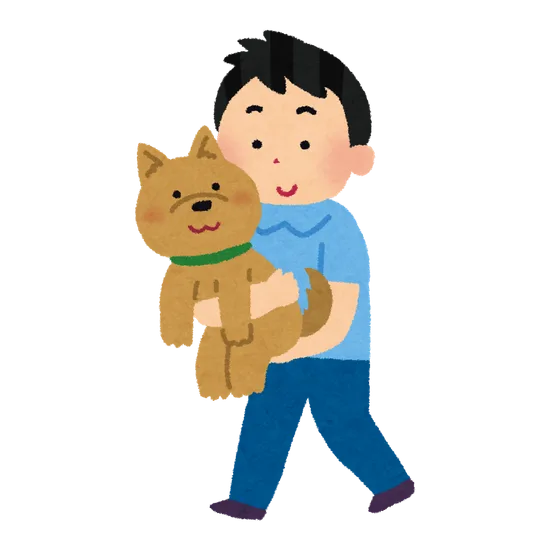
The wanko seme (ワンコ攻め) takes his name from wanko, a childish word for a doggy. He is the eager, devoted seme who follows his love around like a happy dog. In BL stories he is sometimes the younger one of the pair. He praises his partner nonstop and droops when he’s ignored, and fans can practically see an invisible wagging tail.
Super Darling Seme
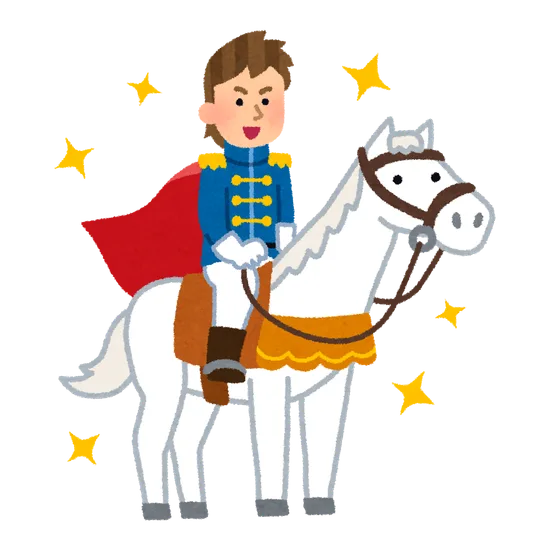
Supadari (スパダリ) is short for “super darling” (スーパーダーリン), the seme who seems to have it all. In BL stories he is handsome and successful, cooks well and treats his partner like royalty. He is the manga version of a knight in shining armor.
Bossy Seme
The oresama seme (俺様攻め) takes his name from oresama, a cocky way of saying “I” that sounds roughly like “my royal self.” In BL stories he is arrogant and self-assured, announces that the uke belongs with him and always wants the last word, yet turns out to be deeply devoted. Fandom mostly plays the type for comedy and big romantic gestures.
🔍What you'll learn
Which of the 10 BL types matches the way you act in love
Your uke/seme balance in percent
Whether you lean toward being cared for or toward taking charge
What riba means and whether the switch role fits you
Your strongest side in a relationship
One habit your type would gain from working on
💡About this test
The quiz places 10 fan archetypes from Japanese BL culture on one line taken from J. Wiggins’s interpersonal circumplex: yielding at one end, leading at the other. It also draws on research into BL fandom (M. McLelland and co-editors, 2015; P. Galbraith, 2011), C. and S. Hendrick’s love styles and J. Cohen’s work on identifying with characters.
📊Key facts
🗓️History & development
Keiko Takemiya begins Kaze to Ki no Uta (The Poem of Wind and Trees) in Weekly Shōjo Comic on February 29; today it is regarded as a pioneering work of shōnen-ai
Sun Publishing launches Comic Jun in October; from its third issue the magazine is called JUNE, the first commercial magazine of male-male romance for women readers
On December 20 manga artist Yasuko Sakata’s dōjin circle puts out a “yaoi special” of the dōjinshi Rappori, edited by Akiko Hatsu. It is the first known use of the word, coined as a joke for stories with “no peak, no punchline, no point”
GMMTV’s 2gether: The Series premieres on GMM 25 and LINE TV on February 21; by April 19 it passes 100 million views on LINE TV and becomes one of the most internationally successful Thai BL series
TV Tokyo airs the drama Cherry Magic! from October 9 to December 24, starring Eiji Akaso and Keita Machida: office worker Adachi can hear the thoughts of anyone he touches and learns that his coworker Kurosawa is in love with him
🎮How to take it
Answer 20 questions about crushes, dates and everyday couple moments. Pick what you would really do with someone you like, not what sounds cutest. There are no wrong answers, and the quiz works the same for people of any gender.
🎓About the methodology
Seme (攻め) and uke (受け) come from Japanese martial arts, where they name the one who attacks and the one who receives. BL fans use them for the two roles in a fictional couple: the partner who pursues and leads, and the partner who is pursued and looked after. Over the years the fandom has split both roles into finer types, from the wimpy seme to the queen uke, and added the word riba for pairs who switch. This quiz arranges 10 of those types on one line from J. Wiggins’s interpersonal circumplex (1979). The circle’s vertical axis runs from yielding to dominant, and here it becomes a scale from letting the other person lead to taking the lead yourself. All 10 types stay on the warm half of the circle, so each of them loves, just in a different way. Research on BL culture (M. McLelland and co-editors, 2015) traces how the genre and its vocabulary grew in Japan, and P. Galbraith (2011) describes how fujoshi treat pairing characters as shared play with friends. C. and S. Hendrick’s love styles (1986) help describe the types, from selfless Agape to playful Ludus, and J. Cohen (2001) explains why people recognize themselves in fictional characters so easily. Each of the 20 questions has four answers, from 1 point for letting the other person lead to 4 points for leading yourself. The total from 20 to 80 falls into the range of one type, and the uke/seme balance shows the same total in percent. The quiz is made for fun and says nothing about anyone’s orientation.
📚Scientific references
❓Frequently asked questions
What do seme and uke mean?
Seme (攻め) and uke (受け) are fan terms from Japanese BL, short for boys’ love. Both words come from martial arts, where the seme is the one who attacks and the uke is the one who receives. In fandom the seme is the partner who pursues and leads, and the uke is the one who is pursued and looked after. In this quiz the words describe roles in a relationship and nothing else: who confesses, who plans the date, who gives in during an argument.
Which types are in the quiz?
There are 10 types, from the softest uke to the boldest seme: Devoted Uke (健気受け), Innocent Uke (天然受け), Tsundere Uke (ツンデレ受け), Teasing Uke (誘い受け), Queen Uke (女王様受け), Switch (リバ), Wimpy Seme (ヘタレ攻め), Puppy Seme (ワンコ攻め), Super Darling Seme (スパダリ攻め) and Bossy Seme (俺様攻め). The first five lean uke, the last four lean seme, and Switch sits in the middle.
What is riba?
Riba (リバ) is short for “reversible” (リバーシブル). Fans use it for couples where the seme and uke roles are not fixed and change with the situation. In this quiz the Switch type stands right in the middle of the scale: one day you lead, the next day you let the other person lead, and both feel natural.
How is the uke/seme balance calculated?
Each of the 20 questions has four answers, from letting the other person lead (1 point) to taking the lead yourself (4 points). The total from 20 to 80 falls into the range of one of the 10 types. The bar under your result turns the same total into percent: 20 points mean 100% uke, 80 points mean 100% seme, and 50 points sit exactly in the middle.
How long does the quiz take?
About five minutes: 20 questions with four options each. The quiz is free, needs no sign-up, and the result appears right after the last answer.
How accurate is it, and can I retake it?
It is an entertainment quiz built on fan archetypes, not a psychological assessment. A role in a fan game says nothing about anyone’s real orientation, and the quiz works the same for people of any gender. You can retake it as often as you like: different answers change the total and may change your type. Your first honest attempt is usually the closest one.
Ready to start?
Quick, fun, and free! Find out your result right now.